Posted on Leave a comment

10 Tips to Consider When Building your Own Camper Van

10 Tips to Consider When Building your Own Camper Van

10 Tips to Consider When Building your Own Camper Van

10 Tips to Consider When Building your Own Camper Van

Plan out the layout and design of your campervan carefully

woman in black jacket and blue denim jeans standing in front of brown wooden door

There are a few key steps to planning out the layout and design of your campervan:

  1. Measure the dimensions of your van carefully, and create a scale model or floor plan to help you visualize how the space will be used.
  2. Consider the way you will use the campervan, and make a list of your must-have features and amenities, such as a bed, kitchen, seating area, storage, and bathroom.
  3. Think about the layout and flow of the space, and try to create a functional and efficient design that maximizes the use of available space.
  4. Consider the placement of key features, such as the bed, kitchen, and storage areas, and try to balance the need for privacy and separation with the desire for an open and social atmosphere.
  5. Don’t forget to include features that will make your campervan comfortable and enjoyable to use, such as windows, lighting, and ventilation.
  6. Use design tools, such as 3D modeling software or cardboard cutouts, to help you visualize and plan out the layout and design of your campervan.
  7. Be flexible and open to making changes as you go along, as the design process can be an iterative one and you may discover new needs or preferences as you work.


Choose high-quality materials

Table extension folding brackets

When building a campervan, it’s important to choose materials that are durable, weather-resistant, and suitable for use in a mobile home. Some materials to consider include:

  1. Waterproof and weather-resistant fabrics for upholstery, window coverings, and other surfaces that may be exposed to the elements.
  2. Sturdy and water-resistant cabinets and countertops, such as those made from plywood or composite materials to provide storage and workspace.
  3. High-quality mounting hardware, such as screws, bolts, and brackets, to securely fasten cabinets, countertops, and other fixtures to the van walls and floor.
  4. Insulation materials, such as foam board or fiberglass to keep the campervan warm in the winter and cool in the summer.
  5. Ventilation systems, such as roof vents or fans, to help circulate air and reduce condensation.
  6. Durable and slip-resistant flooring materials, such as vinyl or linoleum, to withstand wear and tear and provide a safe surface to walk on.
  7. Quality appliances and equipment, such as a refrigerator, stove, and water heater, to provide the amenities you need while on the road.
  8. Hardware and fixtures, such as door handles, locks, and sink taps, to complete the campervan and make it feel like home.


Install appropriate electrical and plumbing systems

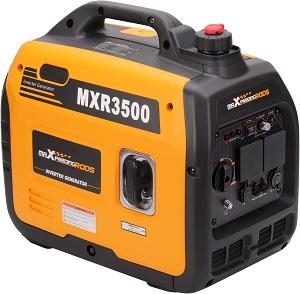
Maxpeedingrods Generator MXR3500

When building a campervan, there are a few key electrical and plumbing systems you will need to install:

  1. A reliable power source, such as a battery or generator, provides electricity for lighting, appliances, and other devices.
  2. Lighting systems, including interior and exterior lights, as well as task lighting for areas like the kitchen and bathroom.
  3. Electrical outlets and switches, to provide power for devices and appliances and allow you to control the flow of electricity.
  4. A water supply system, including a freshwater tank, pump, and faucets, provides water for cooking, cleaning, and personal hygiene.
  5. A waste water tank and plumbing system, to manage and dispose of grey and black water from the sink, shower, and toilet.
  6. A heating and cooling system, if needed, to keep the campervan comfortable in all types of weather.
  7. Appliances and equipment, such as a refrigerator, stove, and hot water heater, to provide the amenities you need while on the road.
  8. Safety features, such as smoke and carbon monoxide detectors, to protect you and your campervan from hazards.


Consider the storage needs of your campervan
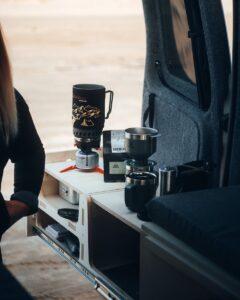
When designing the storage space in your campervan, here are a few things to consider:

  1. How much gear and personal belongings do you need to store, and what types of storage solutions will be most effective for your needs?
  2. The size and layout of your campervan, and how you can use the available space most efficiently.
  3. The weight and balance of your campervan (this is a topic that many people overlook!), and how your storage solutions will affect the overall weight distribution (important).
  4. The accessibility and convenience of your storage areas, and how easily you can reach and retrieve your items.
  5. The durability and weather-resistance of your storage solutions, and how well they will hold up to the rigors of life on the road.
  6. The style and appearance of your storage solutions, and how they will fit in with the overall design of your campervan.
  7. The cost and maintenance of your storage solutions, and whether you are willing to invest in more expensive but longer-lasting options.
  8. Any specific storage needs you may have, such as for items like bikes, skis, or surfboards that may require special carriers or racks.


Install comfortable and functional seating and sleeping areas

When installing seating and sleeping areas in your campervan, here are a few things to consider:

  1. The size and layout of your campervan, and how much space you have available for seating and sleeping.
  2. The number of people who will be using the campervan, and how much seating and sleeping capacity you need.
  3. The types of activities you will be doing in your campervan, and whether you need seating and sleeping areas that can be easily converted for different purposes.
  4. The comfort and support of the seating and sleeping areas, and whether you need cushions, mattresses, or other padding to make them more comfortable.
  5. The durability and wear resistance of the seating and sleeping areas, and how well they will hold up to frequent use and cleaning.
  6. The appearance and style of the seating and sleeping areas, and how they will fit in with the overall design of your campervan.
  7. The cost and maintenance of the seating and sleeping areas, and whether you are willing to invest in more expensive but longer-lasting options.
  8. Any specific seating or sleeping needs you may have, such as for children or pets, and how these can be accommodated in the design of your campervan.


Think about how you will use your campervan
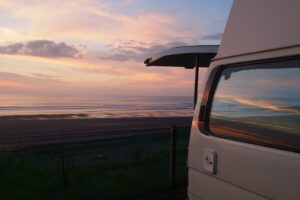
white vehicle parked near ocean during golden hour

There are a few key things to think about when determining how you will use your campervan:

  1. The type of travel you will be doing, and whether you will be staying in one place for an extended period of time or moving frequently.
  2. The number of people who will be using the campervan, and whether you will need space for sleeping, cooking, and socializing.
  3. The types of activities you will be doing in your campervan, and whether you will need space and equipment for hobbies, sports, or other pursuits.
  4. The climate and weather conditions you will be experiencing, and whether you will need specialized systems for heating, cooling, or ventilation.
  5. The duration of your trips, and whether you will need to be self-sufficient for extended periods of time, or whether you will have access to amenities like showers and laundromats.
  6. The budget and resources you have available, and what you can afford in terms of appliances, equipment, and systems.
  7. Your personal preferences and lifestyle, and what type of campervan will best suit your needs and desires.


Use insulation and ventilation

Van insulation

There are a few key ways to use insulation and ventilation in your campervan to improve comfort and efficiency:

  1. Use insulation materials, such as foam board or fiberglass, to reduce heat loss in the winter and heat gain in the summer, and to minimize noise and vibration.
  2. Install insulation in key areas, such as the walls, floors, and ceiling, to maximize its effectiveness.
  3. Use weather stripping and sealing materials to seal gaps and prevent drafts, and to keep out dust, dirt, and pests.
  4. Install ventilation systems, such as roof vents or fans, to help circulate air and reduce condensation.
  5. Place ventilation openings in strategic locations, such as near the top of the walls or the ceiling, to allow warm air to rise and escape.
  6. Use window coverings, such as shades or blinds, to block out the sun and reduce heat gain in the summer, and to retain heat in the winter.
  7. Open windows and doors to allow air to circulate and help cool the campervan down on hot days.
  8. Run ventilation systems and fans when cooking or using the bathroom to help remove excess moisture and odors.


Make sure your campervan is safe and roadworthy

DVSA Weighbridge Is Your Motorhome Overweight

There are a few key things you can do to make sure your campervan is safe and roadworthy:

  1. Regularly maintain and inspect all systems and components, including the brakes, tires, engine, and electrical and plumbing systems.
  2. Follow all applicable laws and regulations, such as those related to vehicle registration, licensing, and insurance.
  3. Use high-quality, road-tested materials and equipment, and follow the manufacturer’s recommendations for installation and use.
  4. Secure all loose items and equipment, and make sure they are properly stored and fastened to prevent them from shifting or falling while driving.
  5. Keep your campervan clean and well-organized, and remove any unnecessary items that may add weight or clutter.
  6. Use caution when driving and operating your campervan, and always follow safe driving practices and techniques.
  7. Follow the rules of the road, and be considerate of other drivers and pedestrians.
  8. Have a plan in case of emergencies, and make sure you have a first aid kit, tools, and supplies on hand in case of breakdowns or accidents.

Keep your campervan organized

Bedside Storage Pocket

A few tips for keeping your campervan tidy and organized:

  1. Designate specific storage areas for different types of items, and use containers or organizers to keep things in their place.
  2. Use space-saving furniture and multi-purpose items, such as fold-down tables or under-seat storage bins, to maximize the use of available space.
  3. Keep frequently used items within easy reach, and store less frequently used items in more out-of-the-way locations.
  4. Use hooks, straps, or bungee cords to secure items that might shift or fall while driving.
  5. Regularly clean and declutter your campervan, and get rid of items that you no longer need or use.
  6. Use plastic bins, bags, or containers to protect items from dust, moisture, and pests.
  7. Keep surfaces clear and free of clutter, and use covers or placemats to protect them from spills and stains.
  8. Use odor-eliminating products, such as air fresheners or baking soda, to keep your campervan smelling fresh and clean.


Have fun and be creative when building your campervan

creative van

Here are a few ways to have fun and be creative when building your campervan:

  1. Personalize the design of your campervan to reflect your personality and style, and use colorful or unique materials and accents to make it stand out.
  2. Experiment with different layouts and design configurations, and be open to making changes as you go along.
  3. Include features and amenities that will make your campervan comfortable and enjoyable to use, such as cozy seating areas, outdoor spaces, or entertainment systems.
  4. Get creative with your storage solutions, and use unexpected or unconventional items, such as baskets, bags, or bins, to keep your gear organized.
  5. Use your campervan as an opportunity to try out new hobbies or activities, and equip it with the tools and equipment you need to pursue your passions.
  6. Invite friends or family members to join in the building process, and make it a fun and social experience.
  7. Take your time and enjoy the process, and don’t worry about making everything perfect or meeting someone else’s standards.
  8. Have fun and be proud of your creation, and share your campervan with others through social media or online communities.

Our Facebook Group would love to see you build and design as you progress in your build. Share your ideas with our community and ask for any tips or tricks that would improve your van.

Our Store, Johnny’s Backyard has over 100 items that will improve your campervan build and make it more comfortable. Some of these items are on longer delivery times but this will encourage you not to rush your build. This will lead to many incomplete projects that while they are functional are not finished

Above all Have Fun!

10 Tips to Consider When Building your Own Camper Van


Shop YouTube Channel youtube.com/@johnnysbackyard/?sub_confirmation=1

Why not join our Facebook Group Motorhome Touring Scotland? https://www.facebook.com/motorhometouringscotland

Sign up for Johnny’s Back Yard online Store for Motorhome & Caravan Accessories Newsletter and we will let you know when new products are released. Newsletter link: http://eepurl.com/hND3Ir

Website Store https://www.johnnysbackyard.co.uk

Check out the Useful Links Page for more goodies https://johnnysbackyard.co.uk/useful-links-and-things/recommended-campsites/

Support the shop https://www.paypal.com/donate/?hosted_button_id=MZ4U3STTL4YV6

YouTube https://www.youtube.com/channel/UCMO8bf5oorGtPxHGCPzg6bw/?sub_confirmation=1

Twitter https://twitter.com/MotorhomeandC

Instagram https://www.instagram.com/johnnyburr3

Facebook https://www.facebook.com/groups/179155772711444

Pinterest https://www.pinterest.co.uk/johnnyburr3

Buy Me A Coffee https://www.buymeacoffee.com/johnnyburr

10 Tips to Consider When Building your Own Camper Van

 

Posted on Leave a comment

Preparing Your Motorhome For Use After Winter Storage

Preparing Your Motorhome For Use After Winter Storage

Preparing your motorhome for the road after winter storage can seem like a daunting task, but it doesn’t have to. With a bit of planning and some basic maintenance, you can get your Motorhome ready for your next adventure in no time. Here are some tips to help you get started:

Start by inspecting the exterior of your motorhome.

Look for any damage that may have occurred over the winter, such as dents, scratches, or cracks in the fiberglass. If you find any damage, it’s best to address it before you hit the road.

Check the tires

Make sure they are properly inflated and look for any signs of damage or wear. If the tread is getting low or the tires are showing signs of age, it may be time to replace them.

Check the roof of your motorhome for any damage or leaks

Look for any cracks or missing sealant and make sure all vent covers and antennae are securely attached.

Once you’ve inspected the exterior

It’s time to move on to the interior. Start by cleaning the inside of your motorhome. This will help to freshen it up and remove any musty odors that may have accumulated over the winter. Pay particular attention to the kitchen and bathroom, as these areas are prone to accumulating dirt and grime.

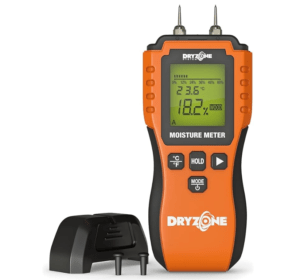
Dryzone Moisture Meter Detector
Dryzone Moisture Detector Meter for Wood

Check Appliances

Check all of the appliances and systems to make sure they are in good working order. This includes the refrigerator, stove, water heater, and furnace. If you have any concerns about the operation of these systems, consult a professional before hitting the road.

After you’ve cleaned and checked everything

It’s time to stock up on supplies. Make sure you have enough food, water, and other essentials to last you for a few days in case of emergencies. It’s also a good idea to have a basic tool kit on hand in case you need to make any repairs while you’re on the road.

By following these steps, you’ll be well on your way to getting your motorhome ready for your next adventure. Take your time and be thorough, a bit of extra effort can save you a lot of headaches later.

Recommend Products that should be on your cleaning list.
Handheld Vacuum Cleaner Portable
Clean Brush Set
Cleaning Wax
Microfiber Cloths
Tank Cleaner
Toilet Refresh Kit Thetford C250/C260
Toilet Refresh Kit Thetford C220
Extendable Brush
Telescopic Ladder
Cleaning Products
Waterless Cleaner
Tool Kit


Shop YouTube Channel youtube.com/@johnnysbackyard/?sub_confirmation=1

Why not join our Facebook Group Motorhome Touring Scotland? https://www.facebook.com/motorhometouringscotland

Sign up for Johnny’s Back Yard online Store for Motorhome & Caravan Accessories Newsletter and we will let you know when new products are released. Newsletter link: http://eepurl.com/hND3Ir

Website Store https://www.johnnysbackyard.co.uk

Check out the Useful Links Page for more goodies https://johnnysbackyard.co.uk/useful-links-and-things/recommended-campsites/

Support the shop https://www.paypal.com/donate/?hosted_button_id=MZ4U3STTL4YV6

YouTube https://www.youtube.com/channel/UCMO8bf5oorGtPxHGCPzg6bw/?sub_confirmation=1

Twitter https://twitter.com/MotorhomeandC

Instagram https://www.instagram.com/johnnyburr3

Facebook https://www.facebook.com/groups/179155772711444

Pinterest https://www.pinterest.co.uk/johnnyburr3

Buy Me A Coffee https://www.buymeacoffee.com/johnnyburr

Posted on Leave a comment

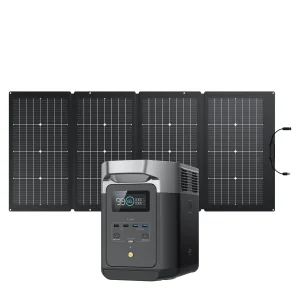
EcoFlow DELTA 2 + 220W Portable Solar Panel

Ecoflow Delta 2 Solar Generator v Hyundai HY2000Si Generator

and  EcoFlow DELTA 2 + 220W Portable Solar Panel

EcoFlow Delta 2 2x220wEcoflow Delta 2 + 220w Solar Panel

Johnny's Backyard find out more

Are you looking for a reliable and efficient way to power your motorhome on the go? The EcoFlow DELTA 2 + 220W Portable Solar Panel may be just what you need.

One of the biggest benefits of using a portable solar panel like the DELTA 2 is the ability to generate electricity without being connected to the grid. This is especially useful for motorhome users who may not always have access to an electrical hookup. With the DELTA 2, you can charge your devices and appliances using the power of the sun, giving you the freedom to travel and explore off the beaten path.

In addition to its portability, the DELTA 2 is also extremely powerful, with a maximum output of 220 watts. This makes it suitable for charging a variety of devices and appliances, from laptops and phones to refrigerators and televisions. The panel itself is lightweight and easy to carry, making it convenient to take with you wherever you go.

A standout features of the DELTA 2 is its built-in inverter, which allows you to convert solar energy into AC power which can be used to power your appliances. This means you can use the panel to charge your devices directly or use it to power your motorhome’s electrical system.

Another great feature of the DELTA 2 is its durability. The panel is built to withstand rough outdoor conditions, including rain, wind, and extreme temperatures.  his makes it a reliable choice for motorhome users who may be on the road in a variety of different environments.

Overall, the DELTA 2 + 220W Portable Solar Panel is a versatile and reliable choice for motorhome users looking to stay powered up on the go. Its portability, power, and durability make it a great investment for anyone who values the freedom and flexibility of life on the road. So, if you are a motorhome user and want to stay powered up on the go, the DELTA 2 + 220W Portable Solar Panel is a great choice for you.

Johnny's Backyard find out more


Shop YouTube Channel youtube.com/@johnnysbackyard/?sub_confirmation=1

Why not join our Facebook Group Motorhome Touring Scotland? https://www.facebook.com/motorhometouringscotland

Sign up for Johnny’s Back Yard online Store for Motorhome & Caravan Accessories Newsletter and we will let you know when new products are released. Newsletter link: http://eepurl.com/hND3Ir

Website Store https://www.johnnysbackyard.co.uk

Check out the Useful Links Page for more goodies https://johnnysbackyard.co.uk/useful-links-and-things/recommended-campsites/

Support the shop https://www.paypal.com/donate/?hosted_button_id=MZ4U3STTL4YV6

YouTube https://www.youtube.com/channel/UCMO8bf5oorGtPxHGCPzg6bw/?sub_confirmation=1

Twitter https://twitter.com/MotorhomeandC

Instagram https://www.instagram.com/johnnyburr3

Facebook https://www.facebook.com/groups/179155772711444

Pinterest https://www.pinterest.co.uk/johnnyburr3

Buy Me A Coffee https://www.buymeacoffee.com/johnnyburr

Posted on Leave a comment

Maxpeedingrods 5KW Diesel Heater with Mobile Control for Motorhomes, and Campervans

Maxpeedingrods 5KW Diesel Heater with Mobile Control for Motorhomes, and Campervans

Maxpeedingrods

If you own a motorhome or campervan, you know how important it is to have a reliable source of heat during those cold winter months. While many vehicles come equipped with a built-in heating system, these can often be inefficient and costly to run. That’s where the Maxpeedingrods 5KW Diesel Air Heater comes in.

5KW Diesel Air Heater

This compact, efficient air heater is designed specifically for use in motorhomes and campervans and can provide ample warmth and comfort during those cold nights on the road. One of the standout features of the Maxpeedingrods heater is its Bluetooth app control, which allows you to easily adjust the temperature and timer settings from your smartphone.

The heater itself is powered by diesel fuel, which is a more efficient and cost-effective choice compared to propane or electric heaters. It is also very easy to install, with a simple plug-and-play design that can be set up in just a few minutes.

In terms of performance, the Maxpeedingrods 5KW Diesel Air Heater does not disappoint. It can heat a space up to 150 square feet in just a few minutes, making it ideal for use in small to medium-sized motorhomes and campervans. The heater also has a built-in thermostat and multiple ventilation modes, so you can easily customize the temperature and airflow to suit your needs.

Overall, the Maxpeedingrods 5KW Diesel Air Heater is a reliable, efficient, and convenient choice for anyone looking to add an extra source of heat to their motorhome or campervan. Its app control and compact design make it easy to use and install, while its powerful performance ensures that you’ll stay warm and comfortable on those cold nights on the road. So, if you’re in the market for a new air heater for your motorhome or campervan, be sure to consider the Maxpeedingrods 5KW Diesel Air Heater with Bluetooth App Control. For
The USA Visit Here

Johnny's Backyard find out more

MaxPeedingrods Generators

10 Reasons MaxPeedingrods MXR3500 is the best motorhome petrol inverter generator

Maxpeedingrods MXR3500 Inverter Generator

Maxpeedingrods MXR3500s Dual/Fuel Generator

Power Up Your Adventures: Exploring the Best Motorhome Generator – MaxpeedingRods MXR3500

Maxpeedingrods MXR5500 Inverter Generator 5 KVA 5.5 KVA

Maxpeedingrods MXR5500 Inverter Generator

Best Portable Generators For Camping in The UK


Shop YouTube Channel youtube.com/@johnnysbackyard/?sub_confirmation=1

Why not join our Facebook Group Motorhome Touring Scotland? https://www.facebook.com/motorhometouringscotland

Sign up for Johnny’s Back Yard online Store for Motorhome & Caravan Accessories Newsletter and we will let you know when new products are released. Newsletter link: http://eepurl.com/hND3Ir

Website Store https://www.johnnysbackyard.co.uk

Check out the Useful Links Page for more goodies https://johnnysbackyard.co.uk/useful-links-and-things/recommended-campsites/

Support the shop https://www.paypal.com/donate/?hosted_button_id=MZ4U3STTL4YV6

YouTube https://www.youtube.com/channel/UCMO8bf5oorGtPxHGCPzg6bw/?sub_confirmation=1

Twitter https://twitter.com/MotorhomeandC

Instagram https://www.instagram.com/johnnyburr3

Facebook https://www.facebook.com/groups/179155772711444

Pinterest https://www.pinterest.co.uk/johnnyburr3

Buy Me A Coffee https://www.buymeacoffee.com/johnnyburr


Posted on Leave a comment

Best Motorhome Petrol Generator And The Best Portable Generator For Camping UK

The Best Motorhome Petrol Generator maxpeedingrods MXR 3500

Best Motorhome Petrol Generator UK

 Use coupon “GEN150” at checkout to get 150GBP off

The Best Motorhome Petrol Generator maxpeedingrods MXR 3500

Motorhome portable petrol generators are a popular choice for motorhome use because they offer a number of benefits that make them ideal for powering your motorhome or campervan. Here are just a few reasons why petrol generators are the best portable generators for camping and an excellent choice for motorhome use:

Portability:

Petrol generators are typically smaller and lighter than other types of generators, making them easy to transport in a motorhome. This is particularly useful if you plan on traveling to remote locations where access to electricity may be limited.

Ease of use:

Petrol generators are simple to operate, with most models featuring a straightforward on/off switch and a fuel gauge. This makes them an ideal choice for those who are new to using generators.

Wide availability:

Petrol is a widely available fuel, meaning that you should be able to find it at most petrol stations and convenience stores. This makes it easy to refuel your generator while on the road.

Reliability:

Petrol generators are generally reliable and require minimal maintenance, making them a dependable choice for powering your motorhome.

Versatility:

Petrol generators can power a wide range of electrical appliances, including laptops, TVs, and fridges. This makes them a versatile choice for those who need to power multiple devices while on the road.

Readily available power no matter what the weather or time of day.

Overall, petrol generators are an excellent choice for motorhome use due to their portability, ease of use, wide availability, reliability, and versatility. If you are planning on using a generator to power your motorhome, a petrol generator is definitely worth considering.
Link For USA

Maxpeedingrods MXR 3500 Inverter Generator

 Use coupon “GEN150” at checkout to get 150GBP off


Maxpeedingrods

3300W Portable Inverter Generator


MaxPeedingrods Generators

10 Reasons MaxPeedingrods MXR3500 is the best motorhome petrol inverter generator

Maxpeedingrods MXR3500 Inverter Generator

Maxpeedingrods MXR3500s Dual/Fuel Generator

Power Up Your Adventures: Exploring the Best Motorhome Generator – MaxpeedingRods MXR3500

Maxpeedingrods MXR5500 Inverter Generator 5 KVA 5.5 KVA

Maxpeedingrods MXR5500 Inverter Generator

Best Portable Generators For Camping in The UK


Shop YouTube Channel youtube.com/@johnnysbackyard/?sub_confirmation=1

Why not join our Facebook Group Motorhome Touring Scotland? https://www.facebook.com/motorhometouringscotland

Sign up for Johnny’s Back Yard online Store for Motorhome & Caravan Accessories Newsletter and we will let you know when new products are released. Newsletter link: http://eepurl.com/hND3Ir

Website Store https://www.johnnysbackyard.co.uk

Check out the Useful Links Page for more goodies https://johnnysbackyard.co.uk/useful-links-and-things/recommended-campsites/

Support the shop https://www.paypal.com/donate/?hosted_button_id=MZ4U3STTL4YV6

YouTube https://www.youtube.com/channel/UCMO8bf5oorGtPxHGCPzg6bw/?sub_confirmation=1

Twitter https://twitter.com/MotorhomeandC

Instagram https://www.instagram.com/johnnyburr3

Facebook https://www.facebook.com/groups/179155772711444

Pinterest https://www.pinterest.co.uk/johnnyburr3

Buy Me A Coffee https://www.buymeacoffee.com/johnnyburr

Posted on Leave a comment

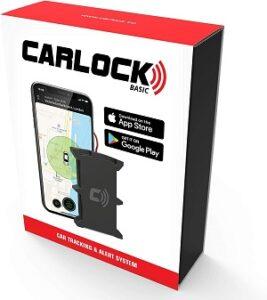
Has Your Motorhome Insurance Company changed the small print so you are not covered for theft? Carlock Tracker

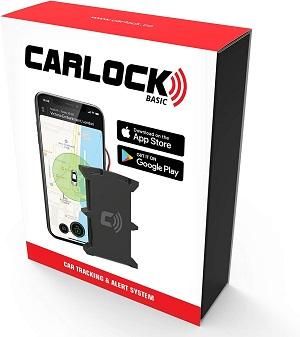
CARLOCK Car Tracker

Has Your Motorhome Insurance Company changed the small print so you are not covered for theft?

CARLOCK Car Tracker

Carlock Tracker
After watching the video below I rang my insurance company to find out if a tracker was required to ensure my motorhome was fully covered for theft. The reply was “yes, did you not read the policy terms and conditions?”
This is a clear misrepresentation of the policy at the time of purchase and I will be taking this further.
It just so happens that I fitted a Carlock Tracker to my motorhome about a month ago, but that does not release my insurance company from the responsibility to inform policyholders that are either renewing or taking out an insurance policy, that a tracker is required to ensure cover for theft.
So the advice is if your motorhome, camper, or caravan is not fitted with a tracker get one! Then call your insurance company and check their honesty before informing them that you have one fitted.


Carlock Tracker
This tracker is extremely easy to fit and you can put it anywhere within reach of a 12v supply. Setting up requires an App (on IOS and Android) and the registration number that came with the tracker. There is a monthly charge of around £6..
TOP TIP
I have fitted and hidden a Carlock Tracker in my motorhome but I also fitted an OBD tracker on the OBD port under the dash. This is easily unplugged and removed. Leaving the said thief thinking that the tracker has been removed.

Carlock Tracker
https://johnnysbackyard.co.uk/shop/motorhome-caravan-equipment/security/carlock-car-tracker/
Urban Vanlife Youtube video on the Carlock Tracker


Why not join our Facebook Group Motorhome Touring Scotland? https://www.facebook.com/motorhometouringscotland

Sign up for Johnny’s Back Yard online Store for Motorhome & Caravan Accessories Newsletter and we will let you know when new products are released. Newsletter link: http://eepurl.com/hND3Ir

Website Store https://www.johnnysbackyard.co.uk

Check out the Useful Links Page for more goodies

Support the shop https://www.paypal.com/donate/?hosted_button_id=MZ4U3STTL4YV6

YouTube https://www.youtube.com/channel/UC311CaE4YoIEKkJLIJCEl7Q

Twitter https://twitter.com/MotorhomeandC

Instagram https://www.instagram.com/johnnyburr3

Facebook https://www.facebook.com/groups/179155772711444

Pinterest https://www.pinterest.co.uk/johnnyburr3

Buy Me A Coffee https://www.buymeacoffee.com/johnnyburr

Posted on Leave a comment

Portable Power Stations, Ecoflow, Jackery and Power Oak – Portable Solar Panel Generators

Portable Power Stations, Ecoflow, Jackery and Power Oak – Portable Solar Panel Generators

Ecoflow

"Portable
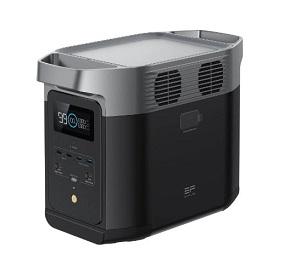
The New EcoFlow DELTA 2 Portable Power Station


Ecoflow Delta 2 portable power station promises long life and flexibility
Portable power generators aren’t only helpful for campers in this age of skyrocketing energy prices; they may also give typical families a source of affordable, dependable electricity. The Ecoflow Delta 2 replaces the organization’s earlier Delta product and promises a longer lifespan as well as the capacity to run the majority of home appliances.
The standard product comes with a 1024Wh battery, or slightly over a kWh, which is equivalent to 16 full charges of a standard laptop, 8 hours of TV, or 31 hours of wireless router use. With a Delta 2 Extra Battery or a Delta 2 Max Extra Battery, power may be increased to 2kWh or 3kWh. The latter would provide around one-third of the daily power consumption average for a UK household.
Powers most household appliances
The Delta 2 has four conventional plug outlets and can support devices up to 1800W with a boost capability of 2200W, but the smaller EcoFlow River Pro can only support devices up to 1200W. That will allow you to directly run 90% of your home’s appliances off of a battery. In addition, USB ports are available for charging devices like cell phones.
Although campers use this type of device most frequently, homes trying to reduce their power expenses may also find the large capacity of the Delta 2 to be helpful. While power is less expensive for those on split tariffs, the Delta 2 may also be charged for free with optional solar panels.
The Delta 2 can be charged to 80% of its capacity on mains power in approximately 50 minutes and to 100% in 80 minutes. The battery can be fully charged in three to six hours using a 400W solar panel.
The Delta 2 may also function as an EPS system, automatically switching to battery power in the absence of mains power (or solar).

EcoFlow DELTA mini Portable Power Station

Long-lasting
The Delta 2 can charge for up to ten years using 3000 charge cycles using LFP batteries, which are identical to those found in Tesla automobiles. Comparatively, Li-ION base batteries have a lifespan of about 500 cycles.
***
Goal Zero Yeti 200X, A handy portable power source for your home or car
When traveling or needing to make sure your phone’s battery lasts through a concert, portable battery packs are useful. However, the majority of battery packs won’t last long enough to be used as an emergency power source or for extended weekends away from an outlet, like a camping trip.
Power stations are more suited to handle those circumstances where mains power is not readily available. The Goal Zero Yeti 200X, which, as its name suggests, has a battery capacity close to 200Wh—187Wh to be exact. In its small size factor, it has six distinct ports.
The 200X is 7.9 x 5.1 x 5.1 inches and weighs five pounds. The station has a handle on top that makes carrying it simple. The housing’s top and bottom are composed of plastic, while its middle is covered with a metal shell.


Yeti 200x Goal Zero


Yeti 200X Power Bank

To charge the station, an external solar panel may be connected to an 8mm connection on the rear. The portable Yeti 200X is lightweight and has a grip on top.
The front of the 200X divides its six ports into three areas from left to right: a conventional power outlet; a 12V vehicle charger connector; a 6mm barrel plug; a USB-A port; two USB-C ports; and another USB-A port. A power button is located above each of those divisions. To wake the station and turn on its display, which will show you how much energy is still left, press the corresponding power button once. To make the button’s associated port(s) usable, press it once more.
Different output levels can be found on USB ports. The 5V/2.4A capacity of conventional USB connectors is available. While the other USB-C port can output up to 60W and charge the power station, the first one can take up to 18W of electricity. The 220V outlet has a surge level of 200W and can support devices up to 120W. Both the main outlet and the 60W USB-C connector provide more than enough power to quickly charge a phone or a laptop.
An 8mm barrel plug for charging the station with the supplied power source or a solar panel is located on the rear of the 200X. In order to charge the station using the 12V socket in your car, you may additionally purchase a 12V adaptor from Yeti for around £20.00
A total of 159.644Wh of output can be achieved while testing from 100 percent till it shut down. The efficiency of the 200X is 85.37 percent as a result of its output, which is just a little less than the 86.56 percent average.
At the end of each rundown test, I always press the power button on whatever battery pack or power station I’m testing to ensure it’s completely empty. With the Yeti 200X, it always stopped charging with three or four percent of a charge left.
If you intend to keep the station on a shelf, Goal Zero suggests charging it every three months.
The Yeti 200X is not inexpensive. However, it’s an investment in the security of having reliable access to electricity, whether at home or in your car. It costs the same as the Anker Powerhouse 200, but it is more effective and includes a few more ports.
The Yeti 200X is a reasonable option if you’re searching for a power station that isn’t too big and manages its capacity properly.

PowerOak EB150, 1500Wh Portable Power Station

PowerOak Portable Power Station
PowerOak Portable Power Station 1500Watt Power Supply Solar Generator


If the station will be kept on a shelf, Goal Zero advises charging it every three months.
It costs a lot to buy a Yeti 200X. But whether you use it at home or in your car, it’s an investment in the security of having access to a fair quantity of electricity. The Anker Powerhouse 200 is comparable in price, however, this model is more effective and offers a few more ports.
The Yeti 200X is a good option if you’re searching for a power station that isn’t too big and manages its capacity properly.
Options are also available for the PowerOak Portable Power Station at 400Wh, 500Wh, and 2400Wh.
PowerOak EB150, 1500Wh Specification
Battery type: Lithium Battery
Battery capacity: 1500Wh
Lifespan: 2500 and above cycle life, Charge after 3 months
Dimensions 37.1 by 16.5 by 36.6 centimeters
Design: Designed with a display screen and with LED indicator lamps. Comes with a cigarette lighter port and cooling fans.
Solar: 500W
Weight: 37.9 pounds
Inputs and outputs included: 2x230V pure sine wave AC outlets, 4 by 5V/3A USB, USB-C (45W), and 12V/9A for a carport.
Panels Included/ What’s in the product kit? AC wall charger, a solar charging cable, user manual

Devices Compatible With PowerOak EB150, 1500Wh Portable Power Station
Numerous gadgets, some of which require a lot of power, are compatible with the PowerOak EB150, 1500Wh. The Notebook, an LED light, a CPAP machine, a tiny fridge, a TV, a laptop, a clothes dryer, and a blender are some examples of compatible gadgets. Others include a washer, a projector, a coffee machine, and a drone.
Advantages/Reasons to run it.
The Unit works best when numerous potentially energy-intensive gadgets need to be powered. eight or more charging ports.

Fast charging for its high capacity
Twin SP200 solar panels at 200W may be fully charged in 5-5.5 hours or 7-8 hours using a power outlet.
suitable for people who want to be off the grid for a long time or who want to camp for a longer time. There will be no worries about your battery dying.
After extended usage, a clever cooling system will keep the power plant in perfect shape; failures won’t be a problem.

Disadvantages/Reasons to avoid it.
It might not be the most portable option. Some users might find it difficult to transport for a weekend excursion due to its weight.
It is not the least expensive choice available because it costs more because of its power output.
Not the best choice when looking for tiny gadget power alternatives. You must seek less expensive and more powerful options.

What is the PowerOak EB150, 1500Wh Is Perfect For?
The finest supplementary power supply to operate medium- to power-intensive devices is the PowerOak EB150, 1500Wh. It may be at work, at home, or simply when thinking about spending many days at a campground. The power plant will also be helpful while going off the grid.
PowerOak EB150, 1500Wh Summary and Verdict
The PowerOak EB150, 1500Wh is suitable for a range of power requirements. Devices that require a lot of power can use its 1000W. You won’t have to be concerned about crowding the power plant or having to shut down the machinery for capacity reasons.
Even if the weight might be a touch too much for a weekend trip, it is still reasonably portable for a camping trip. In fact, you would almost consider it a portable gadget for use in situations requiring intense concentration but not a constant movement. The power plant comes highly recommended for these requirements and will ensure value for money.


Why not join our Facebook Group Motorhome Touring Scotland? https://www.facebook.com/motorhometouringscotland

Sign up for Johnny’s Back Yard online Store for Motorhome & Caravan Accessories Newsletter and we will let you know when new products are released. Newsletter link: http://eepurl.com/hND3Ir

Website Store https://www.johnnysbackyard.co.uk

Check out the Useful Links Page for more goodies

Support the shop https://www.paypal.com/donate/?hosted_button_id=MZ4U3STTL4YV6

YouTube https://www.youtube.com/channel/UC311CaE4YoIEKkJLIJCEl7Q

Twitter https://twitter.com/MotorhomeandC

Instagram https://www.instagram.com/johnnyburr3

Facebook https://www.facebook.com/groups/179155772711444

Pinterest https://www.pinterest.co.uk/johnnyburr3

Buy Me A Coffee https://www.buymeacoffee.com/johnnyburr

Posted on Leave a comment

Scottish Castles List Map On The NC500 Route

Scottish Castles List Map

5 Travel Expenses Spreadsheets

Scottish Castles List Map
Touring Scottish Castles on the NC500 Route
The North Coast 500 is Scotland’s ultimate road trip route, passing by castles, wild animals, and other natural treasures. The route is not set in stone so you can carve your own route and take in other Scottish coastal villages and castles, and there is plenty of them!

Collins NC500 Pocket Map Scottish Castles List MapNC500 Pocket Map Book

The NC500 Route

Inverness, the capital of the Highlands, is the starting and ending point of the 516-mile route. Inverness is renowned for both its historical and cultural attractions as well as for its vibrant shopping, eating, and entertainment scene. Leaving Inverness, you head westward through a lovely region where, in the fall, leaping salmon may be seen on the rivers.
Next, on the North Coast 500, you’ll travel to one of the UK’s steepest roads, climbing up the Balach Na Ba to Applecross, a remote peninsula in Wester Ross.
Out of this world stunning, views of Skye and Raasay, it has a rich history as one of Scotland’s first settlements and is home to an important archaeological site. When you’re ready to leave Applecross’ seascapes, immaculate beaches, and “edge of the world” vibe, it’s time to go north via the mountain roads of the Torridon district to return to the coast at Gairloch. You may have a picnic on the sandy beaches or go whale watching, deep sea fishing, or snorkeling on a boat tour here.


The Castles of Scotland

After arriving at Ullapool, you can explore the area by sea kayak or go on a trip to view the wild horses, eagles, seals, and dolphins. Ullapool is a great location to attempt fly fishing or just take in lunch by the seaside for a more leisurely excursion (Check out the Fish & Chip Restaurant near the ferry terminal!!).
If time permits, why not get a ferry across The Minch from Ullapool to Stornoway on the Isle of Lewis in the Outer Hebrides? The Outer Hebrides are not on the NC500 but the island communities provide excellent produce and the landscape will challenge the best of photographers. It is worth the 3-hour ferry trip for a few days exploring these unbelievable islands.

Scottish Castles List Map Calmac FerryCalmac Ferries

You’ll reach the county of Caithness after traveling along the north coast in your motorhome or campervan and take in the breathtaking scenery. This outdoor playground offers pristine beaches, castles straight out of Game of Thrones, mysterious brochs, and hill-climbing, among other things. There is world-class surfing available here over the clear waves, which may be followed by a hearty lunch of local cuisine.

One of the more amazing sights in Caithness, along with Orca and Minke whales, braying stags, and Highland cattle, is the Northern Lights, which may be viewed in the winter. The Aurora Borealis (Northern Lights), make for an amazing experience and a true bucket list item. John o’ Groats, which is located at the highest top of the British mainland and provides beachcombing as well as regional foods.
The road now follows the shoreline back to Inverness, where you may relax and think back on all the amazing experiences you had on the North Coast 500.

More on the NC500 Route Scotland
The Best of NC500

Scottish Castles List Map


Why not join our Facebook Group Motorhome Touring Scotland? https://www.facebook.com/motorhometouringscotland

Sign up for Johnny’s Back Yard online Store for Motorhome & Caravan Accessories Newsletter and we will let you know when new products are released. Newsletter link: http://eepurl.com/hND3Ir

Website Store https://www.johnnysbackyard.co.uk

Check out the Useful Links Page for more goodies

Support the Shop https://www.paypal.com/donate/?hosted_button_id=MZ4U3STTL4YV6

YouTube https://www.youtube.com/channel/UC311CaE4YoIEKkJLIJCEl7Q

Twitter

Instagram https://www.instagram.com/johnnyburr3

Facebook https://www.facebook.com/groups/179155772711444

Pinterest https://www.pinterest.co.uk/johnnyburr3

Buy Me A Coffee https://www.buymeacoffee.com/johnnyburr

Posted on Leave a comment

Is My Motorhome Overweight? Calculate Your Motorhome’s Safe Weight Limits

DVSA Weighbridge Is Your Motorhome Overweight - Travelling with a Full Tank of Water in Your Motorhome

Is My Motorhome Overweight?

DVSA Weighbridge Is Your Motorhome Overweight
DVSA Weighbridge

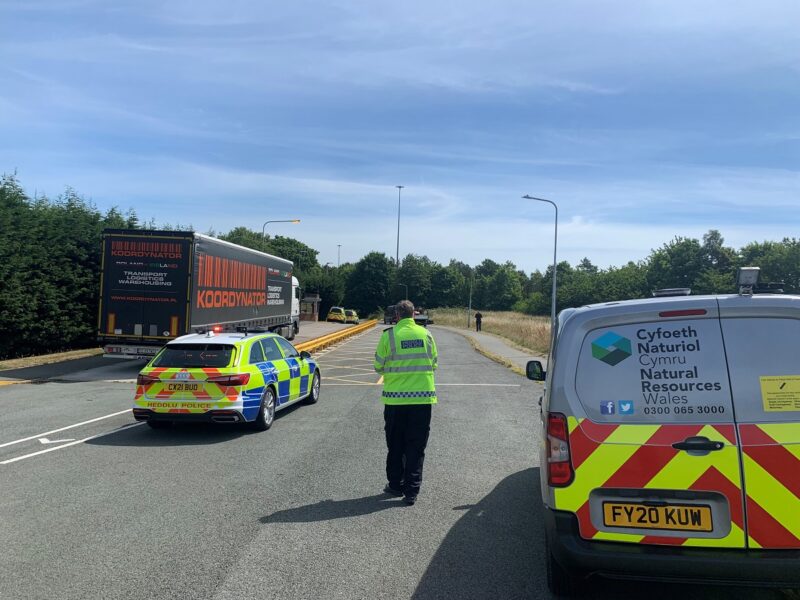
During roadside checks, the DVSA (Driver and Vehicle Standards Agency) found that 80% YES 80%!! of the motorhomes they checked were overweight. If your vehicle is found to be overweight you will likely be fined and stopped from moving on until it is under its MTPLM (Maximum Technically Permissable Laden Mass)

Check out the Podcast on this potentailly costly  subject.


Weights and payloads and what it all means

Although it is simple to overload a motorhome, doing so is against the law and can be very dangerous. Here are a few things to consider in being safe and abiding by the law.

Think about payload when buying a new motorhome

These days, payloads have never been under more strain, and in many respects, we’re to blame. We need awnings, air conditioning, satellite TV, electric beds, and bigger refrigerators and freezers. But there is a weight penalty for each of these.

Although motorhome builders may construct a bigger vehicle utilising an upgraded chassis, the problem is that it should ideally weigh less than 3,500kg to appeal to the widest audience of purchasers. This can be difficult, especially if a significant payload is desired.

It’s all too easy to overload a motorhome, which is something you shouldn’t ignore because it’s your legal obligation to be aware of the weight of your vehicle. Pleading ignorance is not going to get you off the hook in the eyes of the law. Additionally, if you are severely overloaded, you will receive a court summons, so you will need a legal defence, get a hefty fine and points on your license. How then do you prevent this?

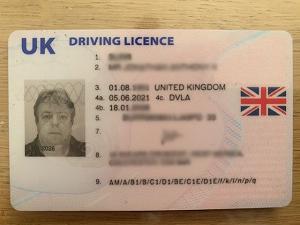
UK Driving Licence

The over 70’s and their driving licence categories

If you passed your driving test after January 1, 1997, but before January 1, 2013, your driving licence will have categories B and B1 on it. As a result, you are only permitted to tow trailers and RVs weighing up to 3,500 kg. You must pass an additional exam to qualify for the C1 category if you want to drive a motorhome that weighs more than 3,500kg.

If you passed your driving test before January 1, 1997, you will have the C1 and C1 + E categories on your license. These categories let you drive motorhomes up to 7,500 kg and a motorhome and trailer with a combined weight under 12,000 kg if you’ve also passed your full trailer test. If not, the combined weight is limited to 8,250 kg.

When you reach 70, you’ll need to renew your driving licence every three years. While you will automatically retain categories B and B1, you will need to submit a D4 and D2 medical form to retain C1, which your doctor will need to fill out every three years. Depending on your medical details, this isn’t set in stone – for some conditions you may need to renew more frequently.

Renewals for licence types B and B1 for motorhomes under 3,500 kg must be completed through the mail using form D47PU, whereas renewals for licence category C1 (for motorhomes up to 7, 500 kg) can be completed online. Always renew your licence well in advance of its expiration, particularly in the summer when the DVLA is busiest. 56 days before to the expiration of your existing licence, you should get renewal paperwork in the mail.

Motorhome weights and numbers, what do they mean?

There should be a list of weights in your vehicle’s manual, brochure, or chassis plate. The important figures to pay attention to are: Axle 1, Axle 2 (also known as maximum axle weight, or MAW), and the total or maximum burdened weight. These can be shown in a variety of ways. This is sometimes referred to as the maximum technically permissible loaded mass (MTPLM), maximum authorised mass (MAM), gross weight, gross vehicle weight (GVW), or legal maximum weight (MTPLM).

Is Your Motorhome Overweight

All of them refer to the same thing: the vehicle’s overall weight when carrying its maximum cargo. You must ensure that the weight is distributed uniformly and does not exceed any particular axle load whilst in addition to adhering to the MAM.

Is driving an overloaded motorhome dangerous?

If the tyre pressures are not set properly, an overloaded motorhome may place additional strain on the tyres and risk early wear or failure. To view motorhome tyre pressure monitoring devices, click here.

The suspension is also only designed to support a particular amount of weight and may sag to the point where the vehicle rides low. The motorhome may even ride on the bump stops when it is overloaded severely, having very little suspension travel. Bump stops are solid rubber blocks that are intended to prevent metal suspension parts from colliding when the springs and dampers are completely compressed. A motorhome will fail an MoT if it is operating on its bump stops.

The rear leaf springs of many of the latest vans are assisted by springs. Although they have the appearance of rubber bump stops, these are really softer cones that are intended to run in touch with the leaf spring and axle and are a crucial element of the suspension. Make sure you ask the tester to confirm that your RV is not failing the MoT if it is still using its spring assistors.

In addition to mechanical problems, a motorhome that is overweight can wobble more when turning or if you have to abruptly change lanes in an emergency. To put it simply, driving takes on a far more dangerous aspect.

Additionally, an overloaded motorhome could not be insured, and if you weigh more than 3,500 kg and your licence doesn’t permit it, you might be charged with two offences: an overloading offence and a licence violation, each carrying a fine of up to £1,000 and six penalty points. The Driver and Vehicle Standards Agency (which took over from VOSA in 2014). monitor all vehicle weight restrictions.

dvsa
DVSA

With the help of modern technology, your RV may be weighed while it is moving, and many highways already have this technology installed. It is connected to cameras that can recognise licence plates and compare the registered weight of the vehicle with the actual weight of the vehicle automatically. This weight-in-motion (WIM) technology, which was mainly developed to address overloaded vehicles, is just as effective when used for motorhomes. We are aware that VOSA has previously targeted vehicles departing or arriving at motorhome exhibitions. Although some estimates currently place this number closer to 50, we are aware that there are at least 12 WIMs in the road network.

If you’re caught driving an overweight motorhome, you’ll either receive a court summons or an immediate fine of up to £300 per offence. You might not be allowed to continue your travel if the motorhome or camper is considered dangerous.

Working out your motorhome’s payload (how much weight it can carry)

Your payload is the weight difference between your motorhome’s maximum weight (MTPLM, MAM, etc.) and what it weighs before you add all of your equipment and accessories. To find the payload, subtract the latter from the former. The maximum weight you can add to your motorhome is this. Don’t forget to account for the weight of the passengers, water (some manufacturers take this into account in their calculations, while others do not), gasoline, extra gas bottles, etc., since these are all simple things and easy to forget.

The weight of all the options equipment you have fitted, such as an automatic transmission, a bike rack, a satellite TV system, an air conditioner, etc., all will reduce your payload which is the weight of all of your travelling equipment (clothes, food, chairs, bedding, levelling blocks, hook-up lead, etc). While you can weigh each item, this still assumes that the original brochure weight is correct and this isn’t always the case. You can get a rough idea of your weight by using an online weighing calculator, such as the free one listed on SvTech’s website.

However, having your motorhome weighed when it is fully loaded with your travelling gear is the most accurate technique. You’ll need to do this by going to a nearby agricultural merchant or local council weighbridge, or even a scrap metal yard. You may drive onto a lorry-sized weight pad and have your vehicle weighed for a small charge, generally less than £10. You can check the front axle weight by driving onto the weighbridge and weighing the front axle first then with all four wheels to determine the overall weight.

Do You Really Need All That Stuff?

The rear axle load is determined by subtracting the front axle weight from the overall weight (which will need to be divided by the number of axles on tag-axle motorhomes). Once you know how much each axle weighs, you can make sure you aren’t overloaded and ask your tyre manufacturer for the acceptable pressures.

Motorhome overweight? What you can do

The first step is to have a clean-out of your motorhome if it is only slightly overweight after packing all of your touring gear. Do you really need to transport that inflatable boat that has a hole in it that you haven’t fixed? Is 40 litres of bottled water absolutely necessary? Be brutal; leave anything at home that hasn’t been utilised in the past year.

Food should not be forgotten; it is simple to forget that a tin of baked beans weighs around 0.45 kg, a bottle of beer weighs 0.8 kg, and a 75 cl bottle of wine weighs generally 1.3 kg. The 2.4kg weight of four pints of milk. There are probably 2 kg of knives, forks and spoons in the cutlery drawer.

After you’ve done a thorough purge, weigh each thing you’ve taken out (a simple method is to simply hold an item and stand on your bathroom scales, then subtract your weight). Great if this helps you stay under the weight restriction. Always travel with an empty waste water tank, so if you’re almost under the weight restriction, you might want to consider emptying your fresh water tank and refilling it at the campground, I travel with around 25% of water.

Three choices are available to you if you can’t reduce your weight even after loading up all of your touring equipment.

My Motorhome is Overweight

See if your existing motorhome can be replated to a higher weight limit

Trade it in for a motorhome with a higher payload

Get a trailer fitted and decant some of your equipment to it.

Replating a motorhome with a higher weight limit

You might be able to get your motorhome replated with a larger weight restriction if have a C1 entitlement on your licence. One of the top companies in this industry, SvTech they can be frequently found at all the Warners motorhome and caravan shows. Its headquarters are in Leyland, Lancashire.

Replating may be a straightforward paper exercise depending on the make and model, with SvTech supplying a new weight plate for a predetermined charge. In some circumstances, this may imply that the vehicle has to undergo mechanical changes in order to safely raise the load each axle can support. This may entail adding stronger springs and dampers, installing air-assisted suspension, or even equipping the vehicle with full air suspension on all four corners.

Air Suspension

Costs associated with mechanical modifications must be taken into account; for example, a basic rear air-assistance setup starts at about £500. The motorhome’s resale may also be affected if its licence plate is upgraded to a higher limit. However, air-assisted springs may be a fantastic improvement all around since they can significantly enhance the ride and handling of a motorhome. If you take this route remember to inform your insurance company as any modifications made to the base vehicle will render you uninsured if they are not notified.

Will a trailer work to reduce the weight of my motorhome?

Consider whether your motorhome can accommodate a towbar before purchasing a trailer. A substantial frame must be present to enable the installation of a towbar if it has a garage or a long rear overhang. Check with the fitting your towbar if you don’t know your motorhome’s maximum towing weight. Usually, it ranges between 1,500 and 2,500 kilogrammes.

The towbar on your motorhome must be EC type certified if it was initially registered on or after April 1, 2012. Any reputable towbar seller that specialises in motorhomes will have a selection of products that adhere to these standards. You have several extra options for towbar variations if your car was registered before 1 April 2012. Once a towbar and appropriate electrics are installed, you must decide what kind of trailer is for you.

You should verify your driving licence once again since the categories you have depend on when it was granted, whether you have any medical issues, and whether you’ve passed certain examinations. If the motorhome weighs little more than 3,500kg, Category B permits you to tow trailers weighing up to 750kg. You may tow a trailer weighing more than 750 kg while operating a motorhome weighing between 3,500 and 7,500 kg under category C1E. C1E is typically associated with restriction code 107, which caps the combined weight of a motorhome and trailer at 8,250 kg (as shown on your driver’s licence). Therefore, with this code, you may tow a 3,500 kg motorhome up to the permitted towing limit.

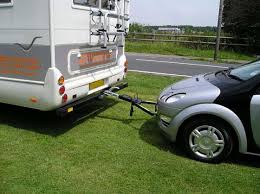
Any trailer (or vehicle on an A-frame) you tow must be equipped with a separate braking system if it weighs more than 750 kg. You must also account for the trailer’s noseweight. This is the force that pushes down vertically against the towball’s head.

A Frame Towing Vehicle

Manufacturers of towbars will specify a maximum noseweight for their towbars. It typically ranges from 75 to 100 kilogrammes. Any noseweight that your trailer places on the towball must be taken into consideration when calculating your payload. You can modify the trailer’s cargo to decrease the noseweight if it exceeds your payload or noseweight restriction.

With a box trailer, you should load big objects low as you can and in the middle over the axle (or axles). Fill them as levelly and evenly as you can. To prevent things from moving during driving and changing the weight distribution, secure or wedge them. A car on an A-frame or a trailer must have rear lights and reflective triangles.

Consider how easy it is to move before making an investment in a trailer. Small, single-axle box trailers are simple to carry by hand but bigger, twin-axle trailers take much more muscle or two persons to move them. For bigger trailers consider caravan motormovers.

Buying a new or used motorhome? What to keep in mind

First, carefully review your licence code categories, especially if you are above 70. Consider the weight of each extra item you specify carefully if your RV can only hold 3,500 kg. These must be added up as you go.

This is made more challenging by the fact that manufacturers frequently refer to weight as “mass in running order” (MIRO), which may not include items like gas bottles and recreational batteries. The MIRO is frequently stated with a driver weight of 75 kg, a 90% full fuel tank, empty water tanks, and allowances of 6 to 15 kg for gas bottles. However, this differs between manufacturers, so carefully study the motorhome’s brochure fine print, you’re thinking of buying.

Every accessory, from decals to a towbar, adds weight that must be deducted from the cargo capacity. You should also think about dealer-fit extras like the awning, satellite TV dish, and solar panels in addition to manufacturer alternatives. Considerations must be made for everything, including the new dinnerware you purchase from the dealer store to complement the new motorhome’s furnishings.

In conclusion, Weight is all important, especially for newcomers and those hiring a motorhome or camper. The DVSA 80% figure of motorhomes being overweight on UK roads is a real eye opener! You can be assured that the DVSA will stop as many motorhomes as they can to reach their targets. You have been warned!

Is My Motorhome is Overweight